Our Expert Team
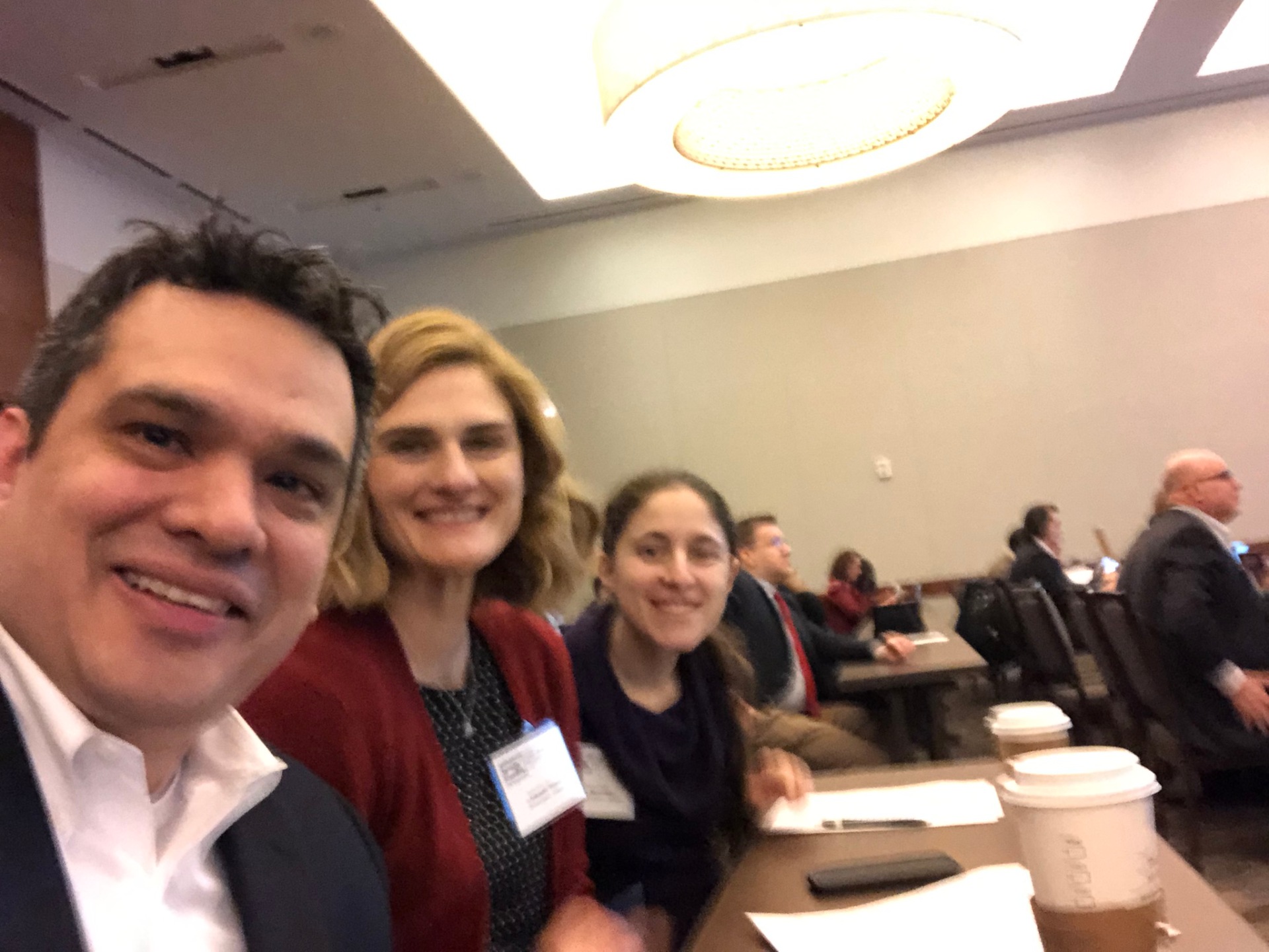
At Lopez Pediatric Neuromuscular Laboratory, we are dedicated to improving the lives of children afflicted by neuromuscular disorders. Our expert team is composed of passionate individuals from diverse biomedical backgrounds committed to pioneering research and advancing treatment options. Led by esteemed professionals in pediatric care, neuroscience, and muscle biology, our crew is equipped with in-depth knowledge and innovative techniques aimed at tackling the complexities of neuromuscular diseases in children.
Principal Investigator
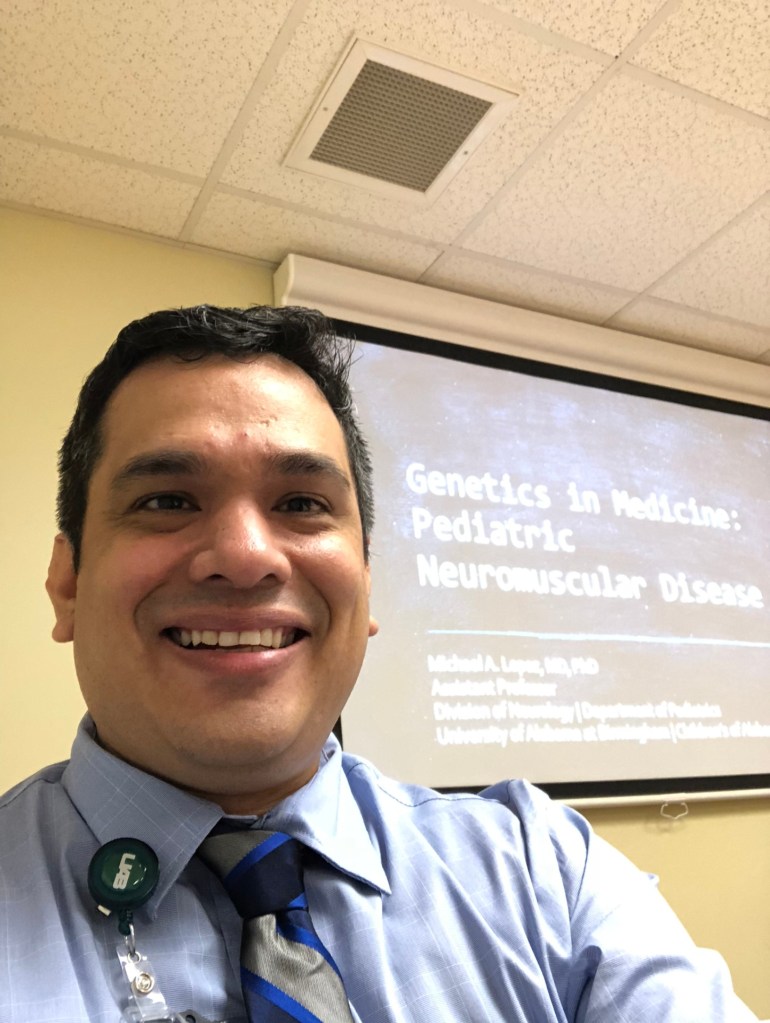
Dr. Michael A. Lopez is a pediatric neuromuscular physician-scientist, currently an Assistant Professor in the Department of Pediatrics at the University of Alabama at Birmingham.
He graduated from the University of Michigan with an M.D. and completed his child neurology residency at Baylor College of Medicine, including a chief resident role. Dr. Lopez furthered his expertise through a pediatric neuromuscular medicine fellowship at Stanford University. He also holds a Ph.D. from Baylor College of Medicine and is board-certified in child neurology and electrodiagnostic medicine.
Dr. Lopez’s research endeavors center on unraveling the intricate pathophysiology of Duchenne muscular dystrophy, utilizing innovative mouse and cell models cross-validated with human biobank specimens to yield a highly translational approach. His pursuit is supported by an NIH K08 grant, aimed at investigating the role of Smad8, a TGFβ transcription factor, in driving pathology within Duchenne muscular dystrophy. Dr. Lopez’s accomplishments include 22 peer-reviewed publications, 2 book chapters, and several awards for pediatric neuromuscular research.
Mentor
Dr. Alexander obtained his undergraduate degree in Biology at the University of North Carolina at Wilmington in 2003. He later obtained his PhD in Genetics and Development at the University of Texas Southwestern Medical Center at Dallas in the lab of Dr. Daniel Garry, where he studied the functional roles of forkhead transcription factors in the regulation of muscle stem cells. In 2008, he joined the laboratory of Dr. Louis Kunkel (Harvard Medical School and Boston Children’s Hospital) as a postdoctoral fellow, where his work focused on the roles of epigenetic and genetic modifiers of human neuromuscular diseases with an emphasis on Duchenne muscular dystrophy (DMD), myotonic dystrophy (DM), and Limb-girdle muscular dystrophy (LGMD). Dr. Alexander also worked on generating novel zebrafish models of muscle diseases for the purposes of drug compound library screening. In 2013, Dr. Alexander was promoted to an Instructor in Pediatrics and Genetics and Genomics and was appointed as an affiliate of the Stem Cell Program at Boston Children’s Hospital. In 2016, Dr. Alexander moved his laboratory to the Children’s Hospital of Alabama/University of Alabama at Birmingham (UAB), where he is an assistant professor in Pediatric Neurology. His laboratory focuses on identifying novel epigenetic and genetic regulators of human neuromuscular diseases and generating novel zebrafish models of disease for drug screening purposes.
Mentor
Over the years, Dr. King has concentrated on the posttranscriptional regulation mechanisms of cytokines and chemokines in various model systems, such as spinal cord injuries, ALS, stroke, and glioblastoma. His significant work commenced during a postdoctoral fellowship in Dr. Jack Keene’s lab, following his neurology residency. Dr. King’s interest in CNS applications led him to clone the human counterpart of the Drosophila ELAV RNA-binding protein found in neurons. Despite lacking prior basic research experience, he successfully cloned Hel-N1 during his two-year fellowship and was the first to show that this protein family binds to AU-rich elements in the 3’ UTRs of mRNAs. This pivotal moment underscored the importance of technology in research, as his success was largely due to the then-new PCR technique. Post-fellowship, Dr. King resumed his project, exploring Hel-N1 and the related HuR in CNS cancers. His research revealed HuR’s strong affinity for binding to the 3′ UTR of key pro-inflammatory cytokines like TNF-α, IL-1, and IL-6, enhancing their expression. This discovery led him to consider HuR as a potential therapeutic target for neuroinflammation. Consequently, Dr. King has focused on diseases fueled by acute and/or chronic inflammation, including neuropathic pain (NP). His NP research began in collaboration with Dr. Robert Sorge, director of the PAIN Collective at UAB, within the Department of Physical Medicine and Rehabilitation.
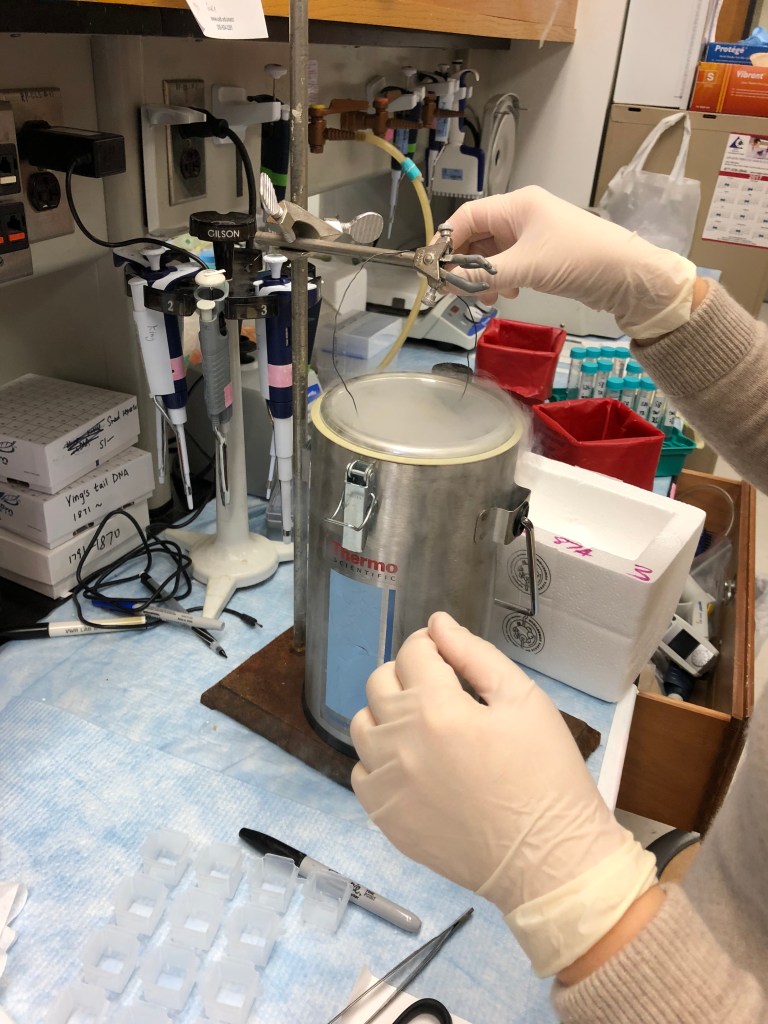
Dr. Lopez leads a team of basic science and clinical researchers:
Basic Science Researchers:
1. Xianzhen Hu, BS (Researcher)
Clinical Researchers:
1. Jordy Rocque, MD (Child Neurology Fellow)
2. Erin McLeod, MD (Child Neurology Fellow)
3. Meagan Whatley (Clinical Research Coordinator)
4. Samantha Weaver, DNP (Assistant Professor)
Former Members:
1. Vivi Williams (medical school)
2. Jackson Carlye (medical school)
3. Fuad Qushair (medical school)
 Lopez Pediatric Neuromuscular Laboratory